Premium Architecture Icons for Modern Digital Products
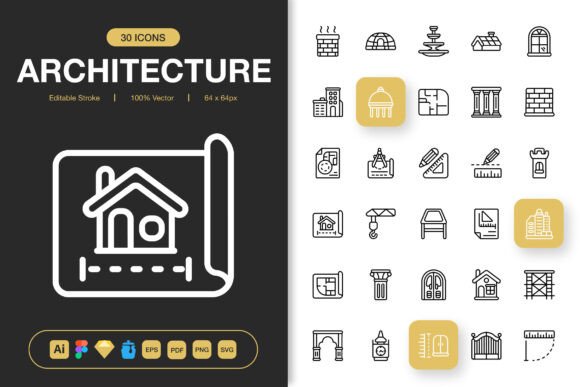
When I first opened the Architecture Icons set, the immediate impression was clean, contemporary, and distinctly commercial. The minimalist style has a modern, uncluttered visual personality that feels premium rather than playful or rustic. This isn't a whimsical clipart pack; it's a professional graphic design asset. The mood it conveys is one of clarity, structure, and sophistication. I envision it attracting a specific audience: buyers looking for sleek, universal symbols for urban-themed projects, real estate presentations, travel blogs, or architectural branding. For an online shop, this niche appeal can be a strength, allowing you to target products toward design-conscious small business owners and content creators.
Testing Architecture Icons Across a Product Collection
My current scenario involves preparing a new themed collection for my Etsy digital download shop. Before publishing anything, I always test a new asset like Architecture Icons across several potential products to gauge its versatility. The description notes it's a set of high-quality icons suitable for any project, designed to elevate your work with minimalist design perfect for digital and print use. My first step was to see if that promise held true in practical, sellable formats.
I began by dropping a few of the most recognizable icons—like a simple building silhouette or a bridge—into different product mockups. For SVG products, such as Cricut projects for sticker designs or t-shirt graphics, the clean lines were crucial. The simplicity of the icons means they can scale beautifully for a mug design or a tote bag print without losing integrity. I also placed them into digital templates: a Canva template for social media graphics, a blog graphic header, and a page in a printable planner sticker sheet. The minimalist style integrated seamlessly, acting as elegant decorative accents rather than overwhelming focal points.
Strong Applications for Selling and Presentation
Architecture Icons shine in several key areas for digital product creators. For product presentation, they can significantly enhance mockup previews and listing images. Using a well-chosen icon in your marketplace thumbnail can create immediate visual storytelling, suggesting a theme of travel, city life, or modern living. This boosts thumbnail appeal and click-through potential. When building product bundles—like a seasonal digital paper pack focused on metropolitan themes or a scrapbooking kit—these icons provide consistent visual elements that tie the collection together, building customer trust through perceived cohesion and value.
Specifically, I see these icons working exceptionally well in:
- Printable wall art and nursery prints with a modern aesthetic.
- Greeting card and invitation templates, especially for urban events or professional gatherings.
- Social media templates and promotional visuals for realtors, architects, or travel bloggers.
- Infographics and flyers, as mentioned in the product direction, where clear symbolism is needed.
- Merchandise graphics for print-on-demand platforms like tumbler wraps or sublimation designs.
- Brand identity elements for a handmade business needing clean logo alternatives or packaging design touches.
Where to Use with Care and Practical Seller Notes
While versatile, every digital product requires careful application. For Architecture Icons, their minimalist nature means they should be used carefully in a few contexts. In tiny sticker details, the fine lines might become too delicate if reduced excessively. They might not suit overly complex layouts where their simplicity could get lost. They are ideal for large product previews and themed bundles, but I'd avoid using them on dark backgrounds without first testing the contrast—some line weights might fade.
A critical note for sellers targeting Cricut or Silhouette users: always inspect the SVG cut quality. For a commercial design sold as a cut file, the paths need to be clean and continuous. I opened the SVG files in my design software to verify this, which is a mandatory step before listing. Also, confirm the PNG transparency is perfect—no stray white pixels around the edges—for layering into product mockups.
Integrating Icons into a Professional Shop Collection
To make Architecture Icons support a more professional-looking online product collection, organization and pairing are key. I organize the files clearly for customers, grouping by style or theme if the pack includes variations. Then, I test how the icons pair with different font styles to create complete products. A sleek sans serif font reinforces the modern feel for a website icon bundle. A classic serif font can add an elegant, bookish tone for printable products. I avoid pairing them with overly casual script fonts, as that clashes with their commercial vibe.
Before selling any finished products, the final practical step is to confirm the commercial licensing terms. Once verified, I create real test prints of a few designs—a greeting card and a t-shirt graphic mockup—to check color reproduction and ensure the resolution is suitable for physical products. Previewing the icon as a marketplace thumbnail at actual size tells me if it retains visual hierarchy and stands out in a crowded search.
The Final Assessment for Digital Selling
Architecture Icons is a useful graphic design asset for digital selling, particularly if your shop caters to audiences valuing modern, clean aesthetics. It fits products that require universal, non-decorative symbolism. For an Etsy seller, Creative Fabrica contributor, or Shopify store owner building a collection around urban themes, travel, or professional services, this set can be a core visual component.
The risk to check is its specificity: it won't suit festive, cute, or handmade-style projects. Its strength lies in its commercial minimalism. By testing it across mockups, verifying file quality, and thoughtfully pairing it with complementary design elements, you can leverage these icons to create cohesive, premium-looking digital downloads, Canva templates, and merchandise. This asset helps move a product collection from a random assortment to a curated, branded offering, which is ultimately what attracts serious buyers and builds a sustainable creative marketplace shop.